
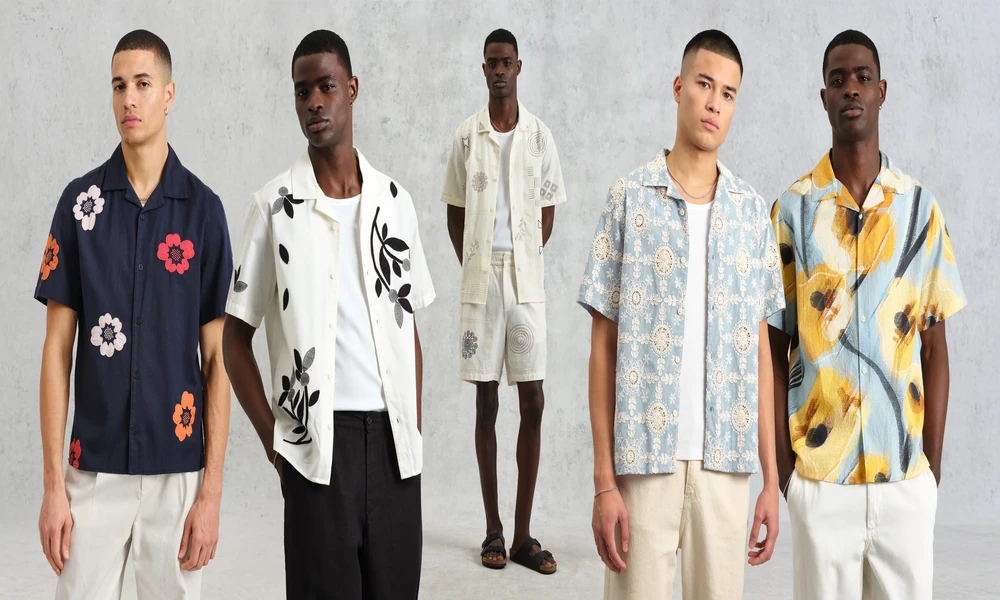
A shirt can look perfectly ordinary on the hanger and become one of the most useful pieces you own once the fit is right. The opposite is also true. If the collar feels tight or the shoulder sits badly, even a good fabric will spend most of its time in the wardrobe.
Shirt Style and Occasion Reference
| Style | Good For | Try It With |
| Oxford shirt | Work and smart casual | Chinos, trousers |
| Flannel shirt | Cooler casual days | Jeans, T-shirts |
| Linen shirt | Warm weather | Relaxed trousers, shorts |
| Formal shirt | Office and events | Tailored trousers |
Start at the Shoulder
The shoulder seam is one of the quickest ways to judge fit. It should end close to the natural edge of the shoulder without pulling across the back. If you are looking at shirts for men, consider the heavier, softer character of flannel and whether you want room for a T-shirt underneath. A shirt meant for layering needs a little more ease than a fitted office shirt.
Check the Collar in Real Positions
Button the collar and turn your head. You should be able to slide a finger comfortably inside without the neck feeling compressed. An open collar should also lie neatly rather than flare outward. This matters because the collar is the part people notice first, especially when the shirt is worn without a jacket.
Let Fabric Match the Setting
Cotton poplin looks clean for work, linen breathes well in heat and brushed fabrics suit cooler casual days. When browsing sweatshirt for men, look at fabric composition and weave as closely as the brand name. Two shirts can look similar in a photograph but behave very differently through a full day.
Use the Tuck Test
Try the shirt tucked and untucked if the length allows it. A versatile casual shirt should not hang so long that it looks like a formal dress shirt, while a work shirt needs enough length to stay tucked when you sit. This one test quickly shows whether the cut matches how you plan to wear it.
Think About Laundry Before Buying
Shirts are repeat pieces, so care matters. Check whether the fabric needs ironing, whether the colour is likely to show marks easily and whether special cleaning is required. A shirt that fits your normal laundry routine is much more likely to stay in regular rotation.
To Wrap Up
The right shirt is not simply the one with the nicest colour or label. Start with shoulder and collar fit, choose fabric for the setting, check the length, and be realistic about care. When those details work, one shirt can cover far more outfits. Before adding another option, compare it with something you already own and ask what new job it will actually do. That simple comparison usually prevents duplicate purchases and keeps the wardrobe easier to use.
FAQs
1. What makes a shirt formal or casual?
Collar structure, placket, and hem length. A structured collar and longer hem read formal, where a soft collar and shorter hem read casual.
2. Which weave should I buy first?
Poplin. It holds a pressed look through a working day and covers the widest range of settings from office to dinner.
3. Why does my collar curl?
Insufficient interfacing inside it. Once curling starts, ironing fixes it only temporarily, so check collar stiffness before buying.
4. Can I layer a sweatshirt over a shirt?
Yes, with a crew neck rather than a hood, since a hood bunches at the collar. Letting the shirt collar show reads deliberate.
5. Which weave suits Indian heat?
Chambray or linen. Both breathe considerably better than heavy poplin, though linen creases visibly through a full day.