
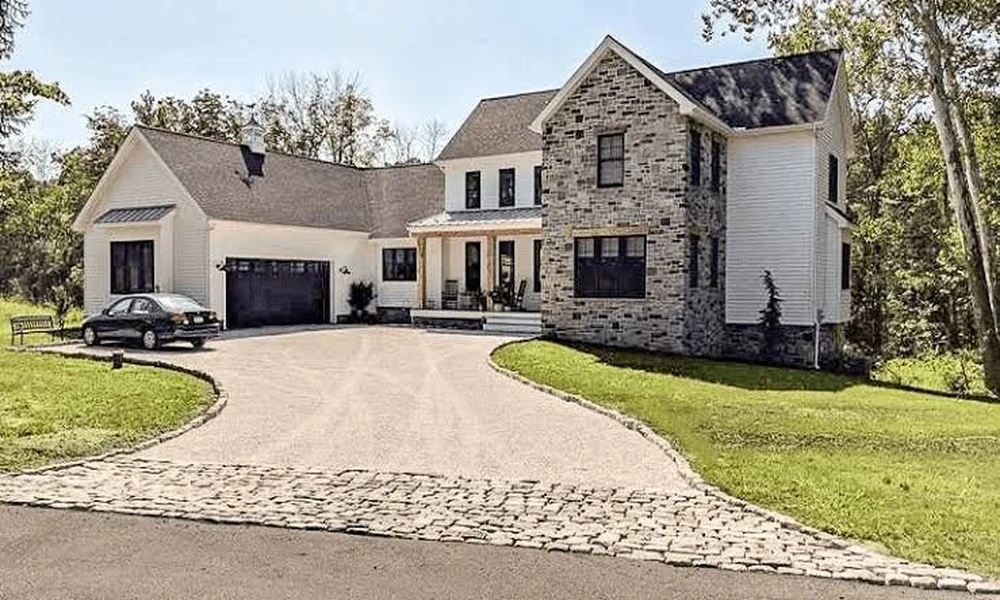
Choosing the right driveway material shapes more than just the look of a Central Ohio home. Gravel and concrete each offer benefits, but local contractor insight shows that the decision reaches far beyond price alone. Weather patterns, maintenance needs, curb appeal, and long-term value all play a part. The way each material stands up to the region’s unique climate and neighborhood expectations can change the daily experience and future resale.
For homeowners, understanding what experienced contractors consider most helps turn a practical choice into a confident investment.
How Central Ohio’s Climate Impacts Gravel vs. Concrete Performance
Central Ohio weather can test any driveway. The region’s frequent freeze-thaw cycles cause ground movement and water to seep below surfaces. Gravel tends to shift or create ruts as the soil underneath expands and contracts, which can mean more regular smoothing or filling. On the other hand, concrete offers a firmer surface but can crack if water gets trapped below and then freezes, especially in poorly drained spots. It is key to note that both gravel and concrete face these climate pressures, yet each responds differently.
The choice may depend on how much ongoing attention the homeowner wants to give to repairs. There is also the matter of drainage, gravel lets water pass through more easily, while concrete needs careful grading to keep runoff away from the home.
For those weighing both options, contractors often point out that concrete driveway contractors in Central Ohio may focus more on site prep to manage frost heave, while gravel driveway contractors near me might recommend thicker stone bases for stability.
This climate-driven perspective helps guide the best match between material and local conditions.
Contractor Tips for Maximizing Driveway Longevity in Variable Weather
Choosing the right steps to extend driveway life in Central Ohio means looking at how contractors tailor their work for local challenges.
- Site preparation is one of the biggest factors. Contractors often recommend compacting the base well and using the right mix of materials to prevent early shifting or cracking.
- Drainage planning is essential because standing water will speed up wear on both gravel and concrete. Grading the driveway so water flows away from its surface helps reduce freeze-thaw problems.
- Sealing concrete driveways can make a difference. This helps protect against salt, moisture, and surface stains, all of which are common in the region’s winter months.
- Regular surface upkeep keeps gravel driveways functional. Raking, filling low spots, and adding fresh gravel as needed will cut down on ruts and washouts.
- For both types, prompt repair of small problems helps stop bigger issues before they start. Fixing cracks or holes early is less costly and helps the driveway last longer.
Maintenance Demands and Hidden Costs: What Local Pros Advise
Ongoing maintenance and hidden costs can tip the balance between gravel and concrete driveways for Central Ohio homes.
- Routine upkeep for gravel driveways often includes adding new stone, raking the surface, and filling low spots as they form. These small tasks can add up over time, especially after storms or heavy use.
- Concrete driveways need less frequent attention, but repairs when cracks or surface problems develop are usually more expensive. Sealing is another task that helps slow down wear, and missing a round can lead to bigger problems.
- There may be extra costs not always clear at the start, such as fixing drainage issues, managing weeds for gravel, or removing ice from concrete. Factoring in both the time and money needed for care helps homeowners avoid surprises in the long run.
Curb Appeal and Neighborhood Value: Contractor Perspectives
Curb appeal and the effect on neighborhood value often weigh heavily in a contractor’s driveway recommendation. A concrete driveway can give homes in Central Ohio a more polished, permanent look that blends well in neighborhoods with similar upgrades. Gravel driveways, while practical and affordable, may sometimes be seen as less formal or less finished compared to concrete. There is also the matter of resale value. Many buyers expect a solid, low-maintenance driveway, especially in newer or higher-value neighborhoods.
This expectation can make concrete a stronger investment for those thinking about future property value. Contractors often point out that neighborhood standards and local trends play a role in the best choice. Some communities may even have rules or preferences about driveway materials. When making this decision, matching the driveway style and finish to the home and surrounding area can help maintain or even boost curb appeal for years. Choosing between gravel and concrete driveways in Central Ohio comes down to key contractor insights. Climate impact, maintenance needs, curb appeal, and long-term costs all factor into the decision. Both materials respond differently to freeze-thaw cycles and drainage challenges common in the region.
Gravel may need more frequent upkeep but is easier to repair, while concrete demands careful site prep and sealing to prevent cracks. The look and value of each option depend on local neighborhood trends and buyer expectations.
The best choice balances durability, required care, and how well the driveway fits the home’s style and future plans.